She Was a Successful Ruler as a Woman in Part Because She Effectively Utilized Art and Architecture
15 Influential Political Art Pieces
Artwork(s) In Focus, Summit Lists, Art History, Socially Engaged Art
What is political art? Is it different than the fine art itself and could it exist the fine art abreast the politics, as nosotros know the political truth is the ruling mechanism over all aspects of humanity? From its beginnings, fine art is inseparable from the societies and throughout its history authors always reflected the present moment bringing the artistic truth to the general public. For Plato and Aristotle, mimesis - the act of artistic creation is inseparable from the notion of real globe, in which art represents or rather disputes the various models of dazzler, truth, and the good within the societal reality.
Hence, position of the art sphere is semi-democratic, as it is independent field of cosmos freed from the rules, function and norms, but on the other mitt, art world is deeply continued and dependent from artistic production, ways of curating and display as well every bit socio-economical conditions and political context.
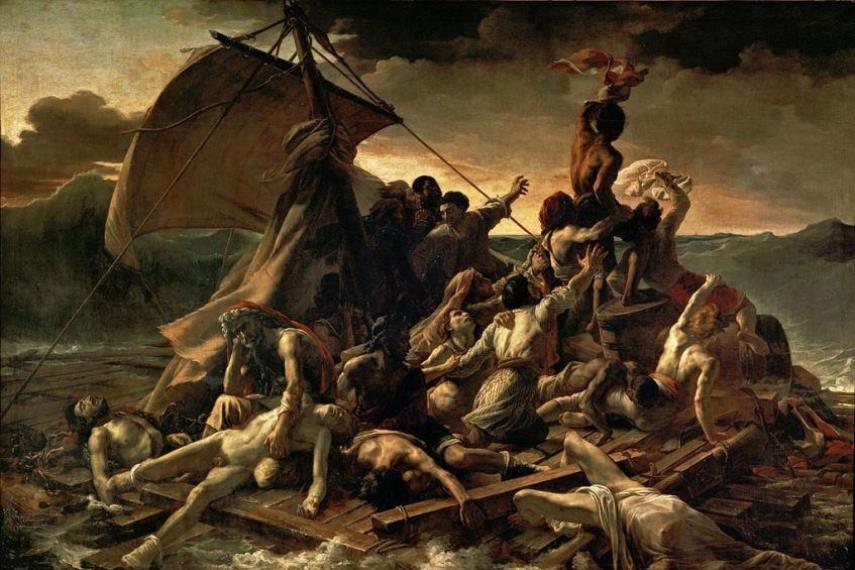
The Realm of Political Art
In times of big political changes, many art and cultural workers choose to reflect the context within their artistic practices and consequently to create politically and socially engaged fine art. Art could be connected to politics in many different ways, and the field of politically engaged art is rather broad and rich than a homogenous term reducible to political propaganda. At that place are many strategies to reach the state of political engagement in fine art and information technology includes the broad scale of artistic interventions from bare gestures to complex conceptual pieces with direct political engagement intended to factual political changes. But when disputing politically engaged art, nosotros must not forget that art is not and could non be the mere means of political action nor reduced to this specific role; although it could be an active role of activist do.

Beyond the Aestheticization of the Politics
In the 20th century, the aestheticization of the politics was heavily criticized as a endeavor to excogitate regular practices of life and societal behavior equally innately artistic, and to introduce politic values to art, past structuring it as an fine art class in order to normalize emancipatory or revolutionary practices and enclose it to the autonomous field of art. This was the concept get-go coined by Walter Benjamin and afterward adult in the thought of Frankfurt School. It was besides the philosophical reaction to the appropriation of the art past the Fascist regimes in Europe. In the calorie-free of this theory, the polar opposite of these practices of aestheticization would be the term of the politicization of aesthetics – a kind of revolutionary praxis of rethinking the depoliticized field of art production and calculation the wider political or rather an emancipatory graphic symbol to the art work.
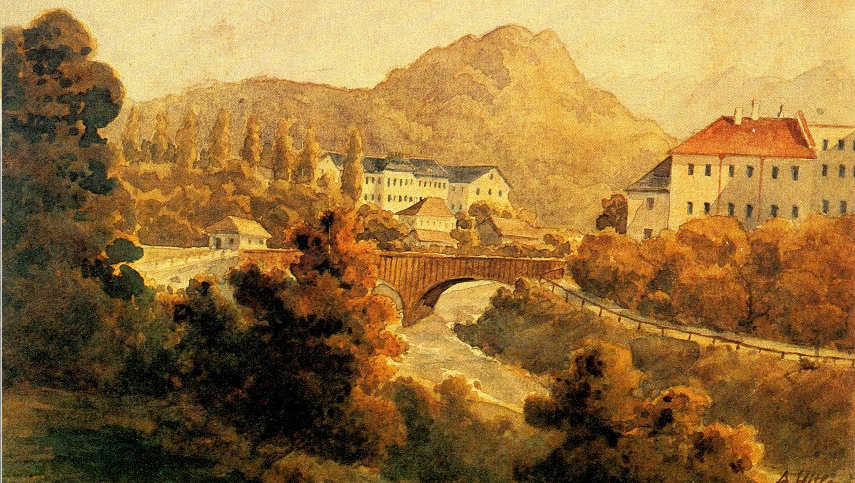
Liberation of Art
The main idea behind the liberating fine art from the corrupting politic movements such as Fascism, Nazism or any other reductive and destructive social agenda, is to reclaim its autonomy over again. For any artistic piece of work is crucial to be free from the part and especially transgressing its subordinate position when art is reduced to the political tool of ruling machinery. The very deed of negation or disagreement with the negative or harmful inside the politics is crucial for agreement the core value of political artists and the politically engaged art in whole. As artistic do is the act of cosmos, intervention into the body of existent globe, fine art, as a form of social action, is a very mighty tool of the political imagination, by (re)presenting the world, not in a sudden, but in some further or meliorate condition.
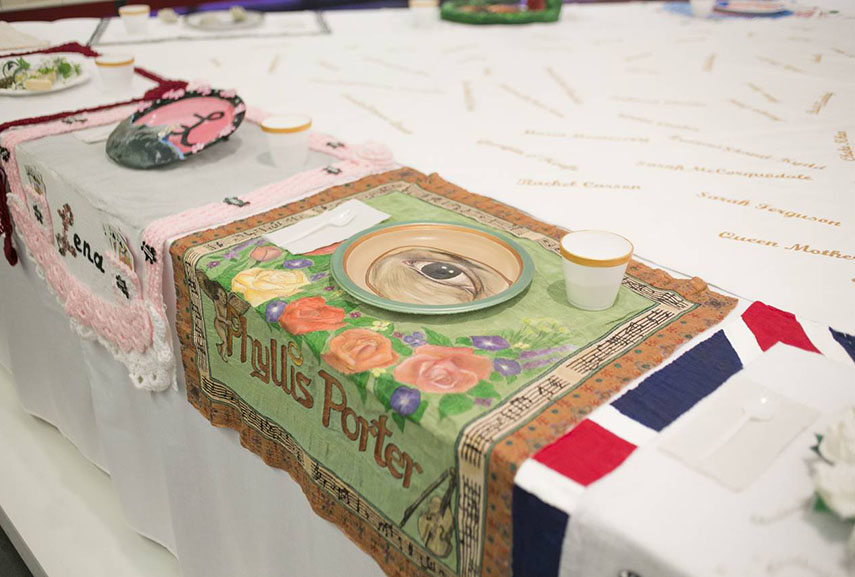
Political Part of Art
When questioning the role of fine art today, we must be enlightened of the illusive borders between art and life, art and media, art and gild, as well every bit fine art and activism. In so many cases of artist works, information technology is hard to formulate non just the notion of art but even its position within the society. In contemporary societies, it is important to abandon the romantic visions of art'due south mission, simply at the same time to insist on the constant questioning dominant politics within the art, maintaining and fight for the inherent artistic freedom of spoken communication and expression. The function of political art has always been crucial since it is i of rare uncorrupted forces of emancipatory activeness and battlefield of the crucial dispute what is and what could exist dazzler, truth, and the good.
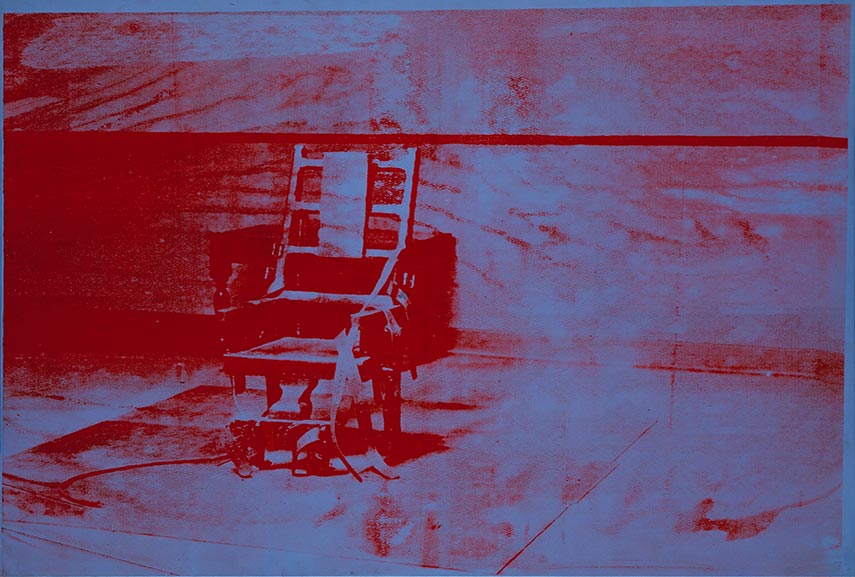
Influential Political Artworks
In the course of art history at that place are many examples fine art was the crucial reflection of political context. Moreover, analyzing and disputing the art pieces, we acquire about life and circumstances from which we are far away in space or time. The art pieces were critical or undue to the ascendant values of its time, we oftentimes understood as a political avant-garde, the declaration of the political changes that followed. Here, nosotros would like to nowadays different politically engaged art works, trying to display the wide specter of political action within the field of art, without pitfall of losing the fine art qualities and becoming the political calendar itself. The selection we made addresses the questions of wars and political conflicts, rise of fascism, revolution and social change, as well as man rights activism, feminism, autonomy of fine art or various problems of artistic production and work itself. Methodologies, media or artistic strategies are numerous in political fine art and proving that politically committed artworks and the work of political artists in full general is not reducible to propaganda.
Featured images:Norman Rockwell - The Problem We All Alive With, 1964; Pablo Picasso - Massacre in Korea, 1950; Dmitri Vrubel - The Kiss, 1990; Banksy - Flower thrower, 2003; Ai Weiwei – With Flowers, 2013; Yoko Ono – Sky Landing, 2016.
Vladimir Tatlin - The Monument to the Third International from 1917
Tatlin's Constructivist tower was planned to be the moving sculpture of the Revolution, the dynamic metaphor of insurgence the modernity, revolutionary thinking and the new world order. Too its monumental and poetic value, the structure should have architectural functions and could have been used for conferences and unlike governmental functions. Due to economic crash in post-revolutionary Russia, the Monument to the Third International has been never built but its smaller size models are situated in Stockholm, Moscow and Paris.
Featured prototype: Vladimir Tatlin - The Monument to the Third International, 1917
Diego Rivera - Homo at the Crossroads from 1934
Man at the Crossroads was a mural by Diego Rivera in the Rockefeller Heart, New York. The process of painting and the life of the fresco painting itself raised a big controversy since Rivera included images of 5.I. Lenin and motifs of a Soviet Russian May Day parade on it. Despite protests from artists, Nelson Rockefeller ordered the destruction of this political artwork earlier it was completed. There are only a few black and white photos of the finished paintings, photographed by the creative person himself.
Featured image: Diego Rivera - Homo at the Crossroads, 1934, item
Max Ernst - Europe After the Rain from 1940-42
Europe After the Rain is surrealistic mural of dystopian Europe after the enormous destruction in 2d World State of war, painted by Max Ernst who was personally affected past the Nazi politics in Germany. The paysage is dominated by pessimist feelings of emotional pathos, physical exhaustion and deep fears, which are rather archetypal business organization over the humanity than just bodily reflection on state of war horror .
Featured image: Max Ernst – Europe Later the Rain, 1940-1942, particular
Peter Kien - Watercolor of Terezin from 1944
Concentration camps are e'er considered as the epitome of the state of war horror. Jewish creative person Peter Kien was imprisoned in Terezin, where he used stolen artistic materials to witness the living conditions in the Terezin ghetto. A true example of political fine art, his artworks transgress the field of art, being ane of the almost of import documents recalling the truth on a concentration camp and the inhuman weather of inmates. In 1944, the aforementioned year he painted the Watercolor of Terezin, Kien was deported in Auschwitz, where being brutally killed at the age of xx-five.
Featured paradigm: Peter Kien - Watercolor of Terezin c1944, item via azdaily
Pablo Picasso - Massacre in Korea from 1950
Pablo Picasso was the heavy critic of the American state of war intervention in Korea, so the painting Massacre in Korea is frequently considered as one of Picasso'southward communist works and an case of his political art. The artworks posses stiff reflection of one of the commencement paintings of the new historic period - Francisco Goya'south masterpiece The Tertiary of May 1808 from which it derives the political argument comparing the American forces in Due north Korea with the imperialistic Napoleon army, Tyrant of Europe. The artist openly depicted civilians killed by anti-communist forces equally heroes standing cock and mocked the misshaped firing squad.
Take a fourth dimension to check more than works by Pablo Picasso!
Featured image: Pablo Picasso - Massacre In Korea, 1951, detail via thecahokian
Norman Rockwell - The Problem We All Live With from 1964
Norman Rockwell's painting The Trouble We All Alive With is directly addressing the racism in America and the universality of the people beingness afflicted with these harmful politics. The painting reflects the real fact that the African-American daughter was escorted on her way to unproblematic school by four United states of america marshals, walking in front of the protesters in 1960 at New Orleans. Racist graffiti, limited liberty of motion, racial segregation at schools were the reality of the American south in 1960s and then the artist heighten a vocalism against it and made this of import and influential political artwork.
Featured paradigm: Norman Rockwell - The Problem We All Alive With, 1964, detail
Barbara Kruger - We don't demand another hero from 1987
Conceptual creative person Barbara Kruger , is best known by subversive design work apropos consumerism, feminism and women identity politics .We don't need another hero in one of the master examples of her reduced agitprop style, with employ of blackness and white photography, carmine banners and a single bold font, where Kruger reflects the gender roles imposed from the earliest age. This political art piece strongly recall popular 1985 song by Tina Turner, also featured in blockbuster movie Mad Max Beyond Thunderdome.
Featured image: Barbara Kruger - We don't need some other hero, 1987
Guerilla Girls - Practice women have to be naked to get into the Met. Museum? from 1989
The Guerrilla Girls , an anonymous group of female feminist artists and art-world professionals in 1989 placed the poster illustrating the statistic data that less than 5% of artists included in Modern Art Sections were female, but more than 85% nudes are women. Do women need to be naked to go into the Met. Museum become a big echo in the globe of fine art, since it make people rethink the consequences of exclusively male gaze on women body in the dominant fine art canon.
Featured image: Guerilla Girls - Do women have to be naked to get into the Met. Museum? 1989, particular
Dmitri Vrubel - The Kiss from 1990
The world famous graffiti at the Berlin wall, originally named My God, Help Me to Survive This Deadly Love, but also known equally The Kiss, The Kiss of Death or the Fraternal Kiss is delineation of a historical kiss betwixt Leonid Brezhnev and Erich Honecker at the ceremony of the foundation of the German Democratic Democracy. It is interesting that the graffiti was created past Dmitri Vrubel in 1990s after the Berlin wall was downwardly and it reflecting the continuation of the politics from the cold state of war era in the time of changes.
Featured prototype: Dmitri Vrubel - The Kiss, 1990, photo particular via disappearingman
Banksy - Flower Thrower from 2003
Flower Thrower is i of the most iconic images of the famous street artist Banksy. The stencil art piece depicts the homo, bombing the establishment with flowers. The prototype is reminiscent of images from the 1960s campus and street riots and it is connected to the Jerusalem gay parade incidents. The proper noun originates from a Verse form "Wage Peace" by Judyth Colina, written later the events of 9/eleven in 2001.
Observe available artworks by Banksy on Widewalls marketplace!
Featured epitome: Banksy - Flower Thrower, 2003
JR - Face2Face projection in Gaza from 2007
In 2007, ii street artists JR and Marco organized the largest illegal photography exhibition ever nether the project Face 2 Face. At the streets in several Palestinian and Israeli cities, the artists placed the portraits of Israelis and Palestinians as confront to face, in big formats. In conflicted zones, this project brings unavoidable identification and humor while looking at series of laughing people separated only past their national and religious affiliation, but united in humanity.
Featured image: JR - Face2Face projection in Gaza, 2007, photo
Shepard Fairey - HOPE poster from 2008
The Hope was created in 2008 as grassroots imagery and at the time it said 'progress' but after the Obama's entrada team fancied the piece of work, information technology was changed to 'promise', and become the unofficial visual of the elections. Shepard Fairey is an American contemporary street creative person, graphic designer, activist, illustrator who inscribed the political statement of the expected progress and hope in United States in 2008, within this effective propaganda affiche. After many years, it becomes a document on the political positions of the people as well equally their unrealized hopes.
Be sure to cheque out an interesting selection of works by Shepard Fairey!
Featured images: Shepard Fairey - PROGRESS affiche, 2008; Shepard Fairey - HOPE poster, 2008
Terry Richardson - Portraits of President Barack Obama from 2012
As a beginning African-American US president, Barack Obama was the endless source of inspiration for artists, who frequently inscribe their emancipatory politics into his figure. In his serial of portraits, Terry Richardson tried the counter strategy – to liberate the celeb face of the president from the symbolic and to fit his advent into own popular culture aesthetics.
Featured image: Terry Richardson - Barrack Obama, 2012
Ai Weiwei - With Flowers from 2013
With Flowers is a office-protest office-performance fine art piece of the famous Chinese artist and dissident Ai Weiwei , started as a reaction against the confiscation of his passport. The artist placed a bouquet of flowers in the basket of a bike in front end of his studio in Beijing and action of endured for about 600 days. Ai started the functioning on November 13, 2013, more than two years into his confinement.
Featured prototype: Ai Weiwei - With Flowers, 2013
Yoko Ono - Sky Landing from 2016
Sky Landing in the Garden of the Phoenix in Jackson Park in Chicago is the outset permanent installation in Americas by the famous conceptual artist Yoko Ono . Sky Landing is created as a symbolic gesture of peace, harmony and healing. In her concept Yoko stated "I desire the sky to state here, to cool it, and make it well once again".
Featured image: Yoko Ono - Sky Landing, 2016
Follow These Galleries
ArtWise
Brooklyn, New York, U.s. of America
Source: https://www.widewalls.ch/magazine/political-art
0 Response to "She Was a Successful Ruler as a Woman in Part Because She Effectively Utilized Art and Architecture"
Post a Comment